Classic Corner
-

At the end of his life, the great American physicist Richard P. Feynman wrote two books not about physics but about his adventures through life–and adventures they certainly were. By twenty-seven years old Feynman, whom everyone called Dick, had met and married the love of his life, earned a PhD from Princeton, been hired onto…
-

While everyone was falling in and out of love with Kundera in the 1980s, I was learning how to moo like a cow, oink like a pig, baa like a sheep, so you’ll have to forgive me for coming to this, the last of Kundera’s “middle period novels” so late in the game. Fortunately, as…
-

Told through four alternating points-of-view, Kundera’s 1967 debut follows the repercussions of a joke told by an undergraduate student in soviet-occupied Czechoslovakian. Kundera draws on three traditions: the senseless labyrinth of fellow Czech writer Franz Kafka, the satirical works produced by citizens of and refugees from the Soviet Union, and the revenge tragedy in which…
-

Having read my fair share of craft books, several of them devoted to the mystery genre, I wasn’t sure how much new advice P. D. James’ classic would offer. So I was surprised to find that in eight succinct and highly readable chapters James adumbrates the history of the genre and its challenges as well…
-

One look at the cover of Flannery O’Connor’s debut novel makes clear what is central to the story. The red heart, wrapped in barbed wire, conjures the image of the sacred heart of Jesus, but I doubt most Catholic readers will be able to persevere through this heady and often gruesome novel–but they certainly should!…
-

In 1985, Italian novelist Italo Calvino delivered a series of lectures on the future of the novel at Harvard University. Six Memos for the Next Millennium includes five essays on different topics—lightness, quickness, exactitude, visibility, multiplicity—and an unwritten essay on consistency.
-

When Cosimo Piovasco di Rondò is forced to eat snail soup by his eccentric sister, he retreats to the trees around their estate. Rather than return home and face punishment, Cosimo decides to remain in the trees. He travels from limb to limb around the village, eventually meeting the beautiful Viola d’Ondariva as she swings…
-
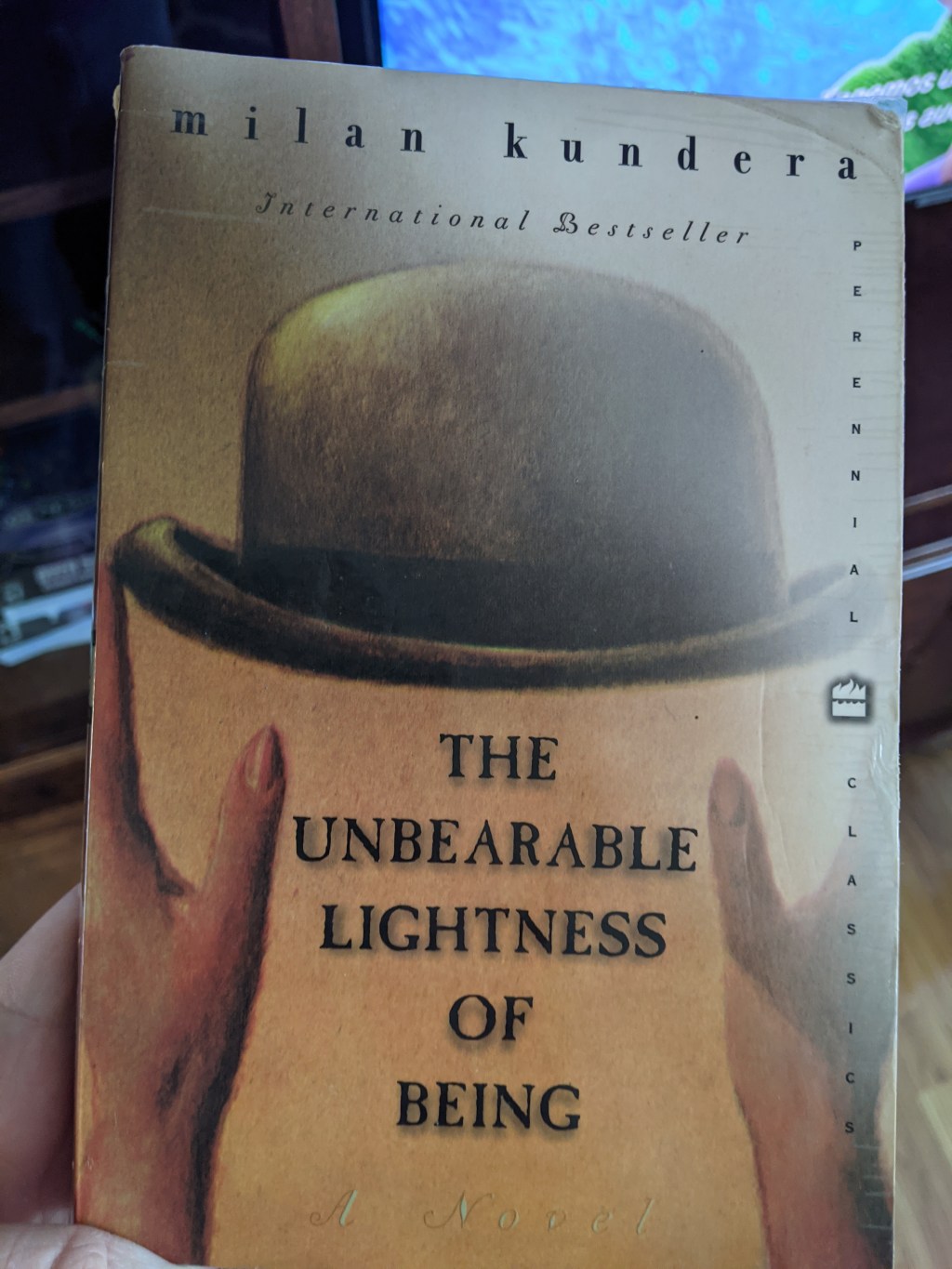
Kundera’s most well-read novel recounts the lives of four interconnected lovers—Tomáš, Tereza, Sabina, and Franz—and a dog named Karenin. Tomáš can’t commit to a life of monogamy, even though he desperately loves his wife, Tereza. Tereza, though she loathes her mother and the Soviet occupation of Prague, finds she can’t remain in democratic Zurich and…
-
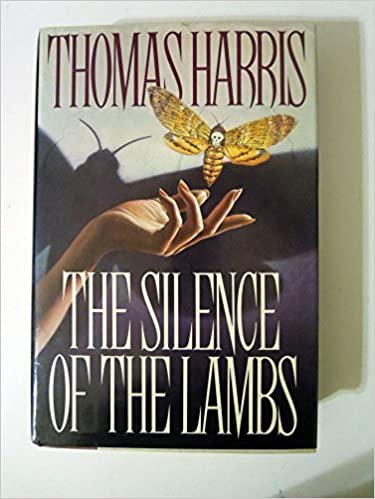
As I finish up what is hopefully my last round of edits, I find myself thinking more and more about my next project, a sequel to my current novel. Sequels can be tricky, and they often pale in comparison to the original, so I thought I would look at a novel that is so exemplary…
 Steven J Kolbe